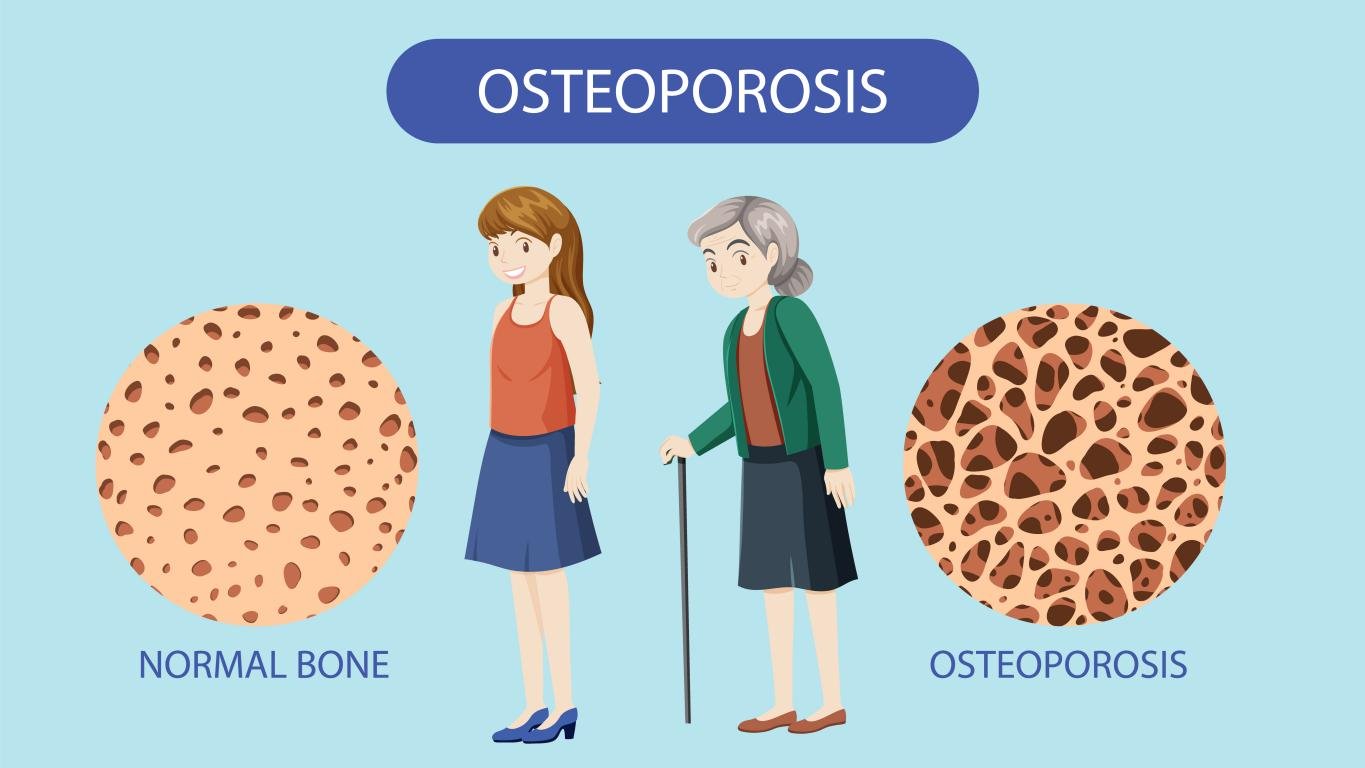

Our bones are always working behind the scenes—constantly building up and breaking down. As we age, however, that rebuilding process naturally slows down, leaving our bones weaker and much more vulnerable to fractures. This condition is known as osteoporosis, and it often develops silently with absolutely no warning signs until a fracture actually occurs.
To help our community stay strong and independent, the Merrimack Valley Public Health Alliance (MVPHA) is sponsoring several opportunities for free Bone Density Screening throughout the region over the coming weeks. Our Regional Health Nurse will be on-site at multiple local health fairs to provide this vital service, with more dates to be announced soon.
This free screening uses a simple, quick, and painless heel ultrasound. It serves as an excellent first step to understanding exactly where your bone health stands.
Upcoming Free Screening Events
Catch the MVPHA Regional Health Nurse at these upcoming regional events:
- Georgetown COA Vaccine Clinic & Health Fair: Wednesday, October 14, 2026
- Newbury Health Fair: Tuesday, October 20, 2026
If you cannot make these initial dates, more locations will be announced soon. Please contact your local Council on Aging to request more information or to see when a screening will be available near you.
Why Bone Health Matters: The Statistics
Osteoporosis is incredibly common, yet many people do not realize they are at risk until it impacts their daily life. Consider these facts from the International Osteoporosis Foundation:
- High Fracture Risks: After age 50, 1 in 3 women and 1 in 5 men will experience a bone fracture.
- Hospital Impact: In women over the age of 45, osteoporosis accounts for more days spent in the hospital than diabetes, heart attacks, and breast cancer combined.
- The Cycle Continues: 50% of people who experience one bone fracture will go on to suffer another.
Knowing Your Risk Factors
While anyone can develop osteoporosis, certain factors significantly increase your risk. You may be at a higher risk if you match the following:
- Are female or over the age of 65
- Have a family history of osteoporosis
- Maintain a low body weight
- Smoke or consume excess alcohol
- Are physically inactive
- Have a low intake of calcium or vitamin D
- Have a history of long-term use of steroids or certain acid reducers
- Live with chronic conditions like IBS or rheumatoid arthritis
How to Keep Your Bones Strong
The good news is that you can actively protect your bones and your independence through everyday lifestyle habits:
- Stay Active: Aim for 30 minutes of weight-bearing activity 3–4 days a week. Activities like walking, yoga, tai chi, and Pilates all make a difference.
- Eat for Bone Health: Target roughly 1,200 mg of calcium per day from dairy products, leafy greens, tofu, almonds, or fortified foods. You can source your vitamin D from natural sunlight and foods like salmon.
- Consult Professionals: Make sure to talk to your primary care provider or your pharmacist about calcium and vitamin D supplementation options that are right for you.
- Adjust Habits: Limit your alcohol intake and avoid smoking entirely.
Fall Prevention is the Foundation
Because most fractures in older adults occur as a direct result of a fall, securing your home environment is a crucial step in bone protection. You can lower your risk by making a few simple changes:
- Clear out clutter and remove loose rugs.
- Place a night light in dark hallways and bathrooms.
- Choose sturdy shoes with non-slip soles over loose slip-ons.
- Keep your vision sharp by updating your eyeglass prescriptions regularly.
- Ask your doctor if any of your current medications increase your risk of falls.
- Consider working with a physical therapist if you ever feel unsteady on your feet.
(For a comprehensive home safety assessment, you can download the full fall safety checklist directly from the International Osteoporosis Foundation website.)
Who should get screened?
The free regional heel ultrasound screenings are highly recommended for:
- Women age 65+ and Men age 70+
- Women under 65 or Men aged 50–69 who have existing risk factors or a prior fragility fracture
Ready to protect your independence? See below for more information about managing bone density, and be sure to contact your local Council on Aging to schedule your screening or learn more about upcoming dates in your town.
You can also click here to view and download our official Bone Health One-Pager Flyer to save or share with a neighbor.
Medical Disclaimer
The information provided in this post is for general educational and informational purposes only and is not a substitute for professional medical advice, diagnosis, or treatment. Always seek the advice of your physician, pharmacist, or other qualified healthcare providers with any questions you may have regarding a medical condition, prescription medications, or changes to your diet and exercise regimen.